28
May
stored in: Food

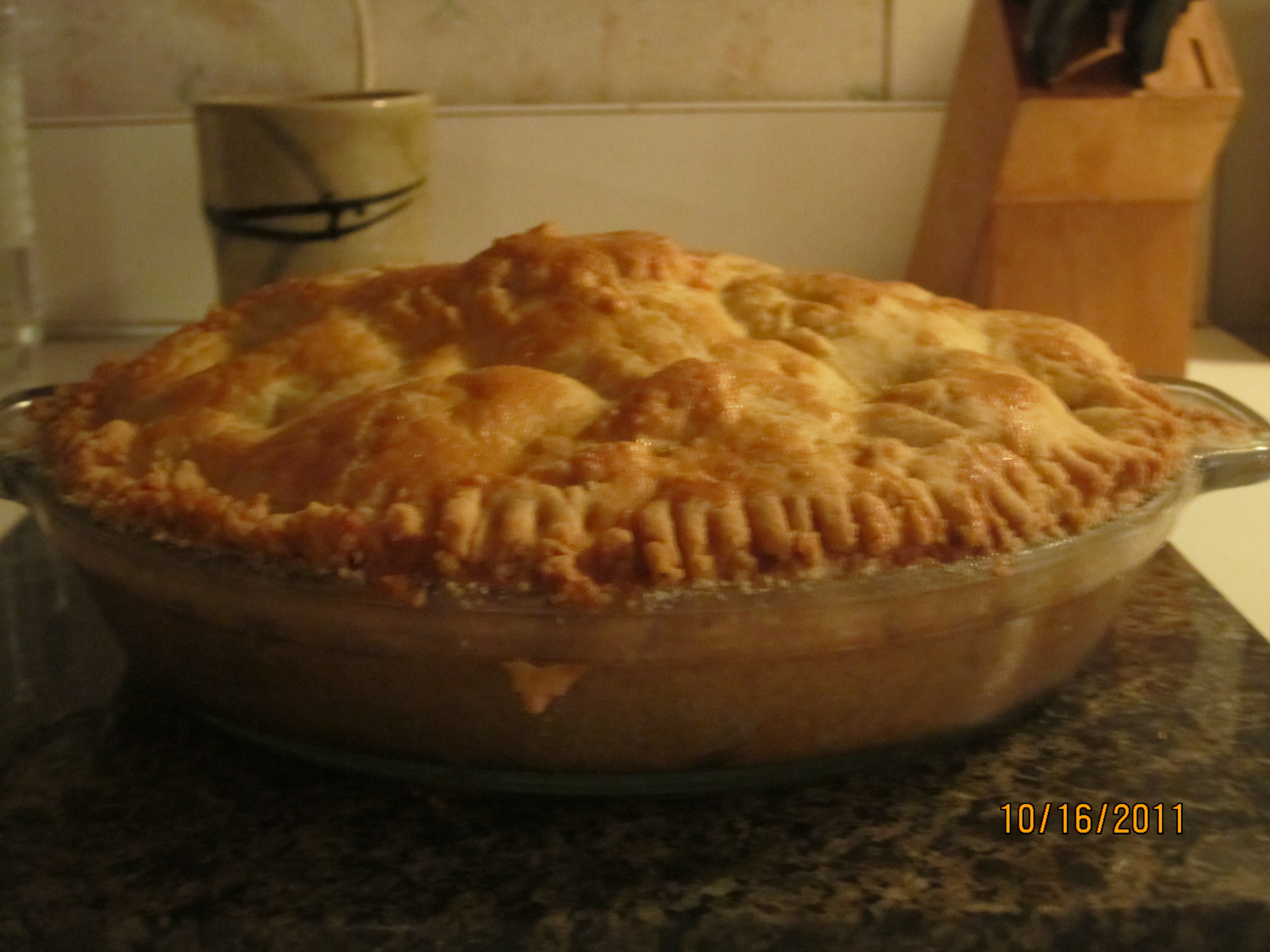
I’ve got some pictures of some gluten-free food I’ve been cooking, but I’m experiencing technical issues with the camera and our home computer network!  I’d like to get these photos online so you can see how terrible food can look despite being delicious.  :)

My girlfriend is particularly finicky about food and she’s an artist so she loves to make visual judgments about a new dish.  (Eww that looks disgusting.)

Luckily, I’ve gotten enough trust from good tasting dishes so that she’ll actually give it a try now.  Hopefully, I can figure out how to get these pictures online and published - and hopefully, the look of the food won’t scare you away from trying some of my favorite gluten-free recipes!

05
Jan

I don’t even know when it hit, but without fail I started feeling the effects of gluten soon after leaving town for the holidays.  Maybe it was some of the snacks I ate on the way, maybe it was kitchen cross-contamination or traces of wheat in something that seemed innocent and gluten-free.  Whatever it was, I ended up sleeping most of Christmas and now I’m still in the phase where the itch is crawling all over my skin.

And its not just getting sick that makes holidays and travel difficult, there was also this odd sense of being incredibly hungry while being surrounded by the most delicious food.  Oh I’d love some of that meal you’ve cooked up - but I really shouldn’t. Pies, cakes, cookies?  You can’t just hop in the car to Walmart to get a gluten-free version (Publix near here does have some great gluten-free cookies, though they’re incredibly expensive.)

Here’s another unique dilemma faced by the gluten-intolerant at Christmas:  gifts containing gluten!  I mean, of course I like chocolate, but not the kind with barely malt in it :(

Families tries to accomodate and I love them for it, but I can barely keep track of my own ingredients and kitchen space when I’ve got such a huge incentive to do so.  I think next year, I’m bringing some gf brownies…

01
May
stored in: Food

I guess living gluten-free has kind of become a routine.  I think of it less often then I did when I first started, and I think that is partially because I know what I can eat and I have more time to cook whole foods & mess around with recipes at home.

The last meal that made me pretty excited was some rice penne pasta that I prepared like a baked ziti.  I swear, if the pasta was just a little more bread-like it would have been just like a deep dish pizza.  I’ve done the fried chicken thing a few times but mostly its been a lot of dried beans & rice since the price of well, everything is through the roof.

BTW the baked penne was about $8 for ~6000 calories.  Not exactly a great deal, especially since I managed to eat the first pan in just over a day.  It definitely hit the spot!  Hopefully in the next few days I’ll post the exact recipe & some pictures I got before I devoured the meal I expected to last me half a week.  I need to figure out how this camera works, its got my pictures and it won’t give them up!

Global wheat and rye prices have been doubling on an annual basis for the last few quarters, and U.S. exports of wheat and other gluten grains has shot up to all-time records. The price of food going up generally isn’t a good thing - but for Celiac sufferers, the fact that gluten-free substitutes are rising in price more slowly means that more and more U.S. food producers are likely to use the cheaper and naturally gluten-free alternatives.

I’ve seen a few brands and stores trending toward this already: Wal-mart and Publix each offer generic brand choices for their products and they tend to label items “gluten-free” more often than more mainstream brands. Wheat starch seems to be less common in everything across the board, from soups to bbq sauce (I’m usually using Cattleman’s, although it might just be a regional brand).

Corn is also going up because of increased consumption but also because of the increased use of federally subsidized ethanol. What I’ve actually seen is more potato and bean starches - is wheat’s global popularity as a cheap filler suddenly going to backfire?

Considering how often gluten ends up in foods that could honestly do without it, I’ve often speculated that wheat was extremely under-priced to the point of a market distortion tending toward over-supply. I don’t think wheat is particularly healthy regardless of an individual’s specific level of gluten sensitivity, and its main value to society has been its low cost ability to feed the masses. If its not low cost, the only reason left to use it would be in bakin.

Greetings Orac,

I thought this might be of interest to you in particular because you seem quite up to date with the mercury/autism/naturalism noise that is circulating the internet.

My name is John and I’m fairly new to blogging. I’m a big fan of http://scienceblogs.com particularly because there is so much skepticism of untested medical theory that passes as “wisdom” so often on the internet.

However, when it comes to my pet medical cause, Celiac Disease, I’ve noticed that the gluten-free diet often ends up associated with anti-vaccinationists and other sorts of medical quackery. Gluten returns as a search result 20 times on scienceblogs.com, almost exclusively in relation to tainted Chinese products or the latest fads in autism quackery. Celiac only returns three times: once as a user comment, once in a list of digestive conditions, and once in reference to the celiac trunk and not celiac disease at all.

What I would love to see for once, is a story about Celiac Disease and the medically verified effects of a gluten-free diet.

from my site http://glutenblog.com:

The University of Chicago estimates that as few as 3% of all affected Celiac Disease patients have been correctly diagnosed - and on average, those “lucky” few have waited 11 years from the onset of symptoms until the diagnosis was made.

Random sampling and records from nations with universal screening indicates that Celiac Disease affects between 1 in 90 and 1 in 133 people.

This meets the World Health Organization’s frequency criteria for universal screening, but we barely ever catch it. Everyone thinks of allergies: hives, asphyxiation, swelling - but the symptoms of intolerence are completely different.

The patient may be underweight or overweight, constipated or constantly suffering diarrhea. There might be an intensely itching skin irritation, or exhaustion, or symptoms of malnutrition and dehydration. Then again, there may be no symptoms at all.

The University of Chicago says there are over 200 possible symptoms of Celiac Disease and some of these include neurological disfunction or impaired development. Statistically, it makes sense for autistic patients to be tested for Celiac Disease but legitimate scientists shy away from the subject because of its exploitation by profiteering quacks. Maybe I’m wrong about testing autistic individuals for Celiac, but since the WHO says everyone should be tested for Celiac Disease, it would be a cost-effective compromise to at least test chronically ill patients for the disease.